AI & Digital Dentistry
Artificial intelligence and digital technologies are increasingly influencing diagnostics, treatment planning, preventive care, and patient communication in modern dentistry.
Advances in AI-assisted imaging analysis, digital workflows, and healthcare technologies are contributing to more efficient, data-driven, and personalized approaches to oral healthcare.
Current discussions include digital diagnostics, intelligent clinical systems, preventive healthcare technologies, and the evolving role of AI in future dental practice.
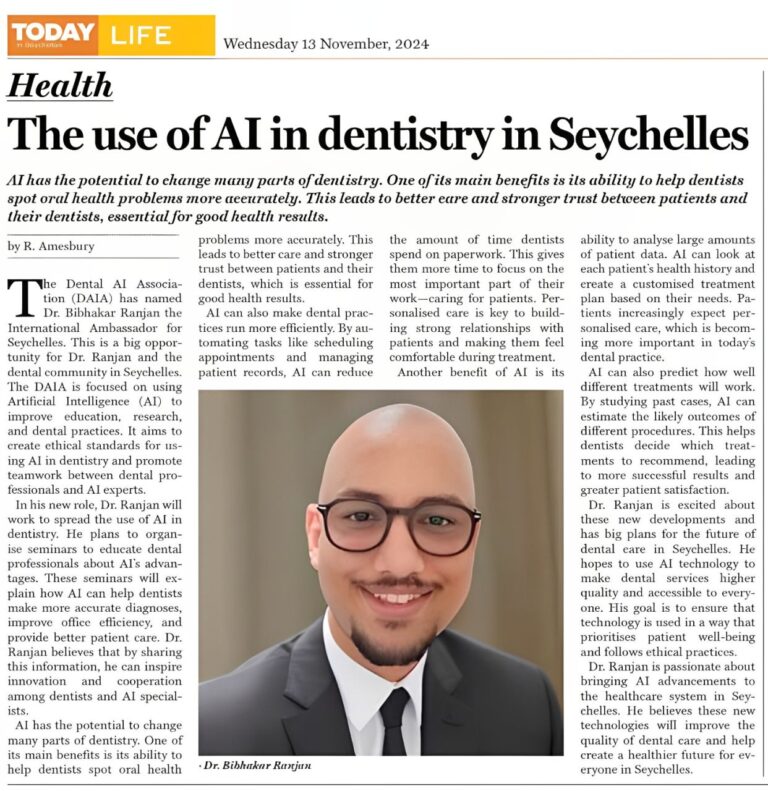
Dr. Ranjan serves as the International Ambassador of the Dental AI Association (DAIA), contributing to discussions surrounding digital innovation and emerging technologies in oral healthcare.
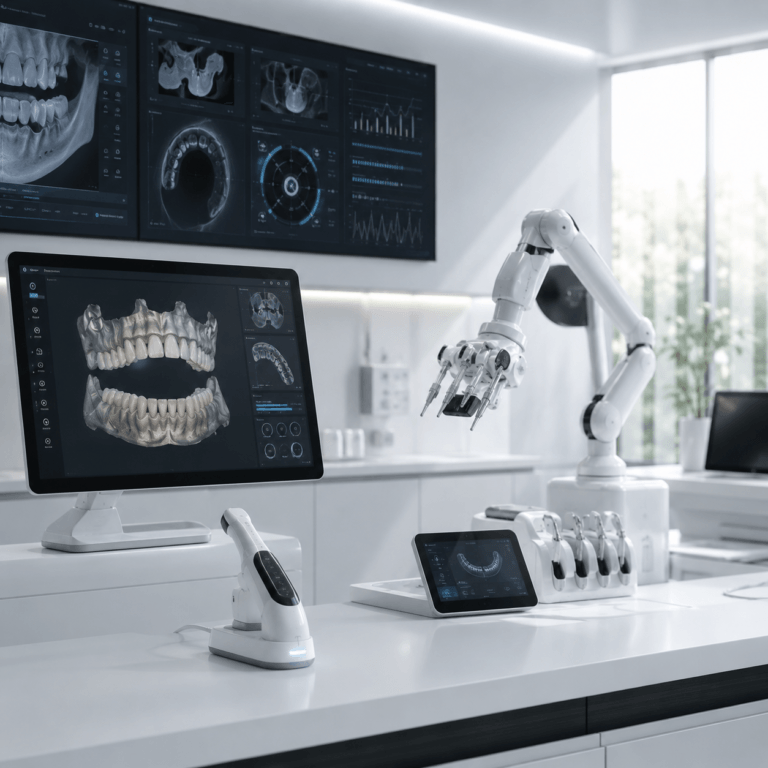
Digital Innovation in Oral Healthcare
Artificial intelligence and digital technologies are increasingly shaping modern dentistry through advances in diagnostics, imaging analysis, treatment planning, and preventive care.
This page highlights emerging trends, digital workflows, and evolving healthcare technologies influencing the future of oral healthcare and patient care experiences.
What Is AI & Digital Dentistry?
Artificial intelligence and digital technologies are helping shape modern dentistry through advances in diagnostics, imaging, treatment planning, and preventive care.
AI-assisted systems may improve workflow efficiency, support clinical decision-making, and contribute to more personalized patient care.
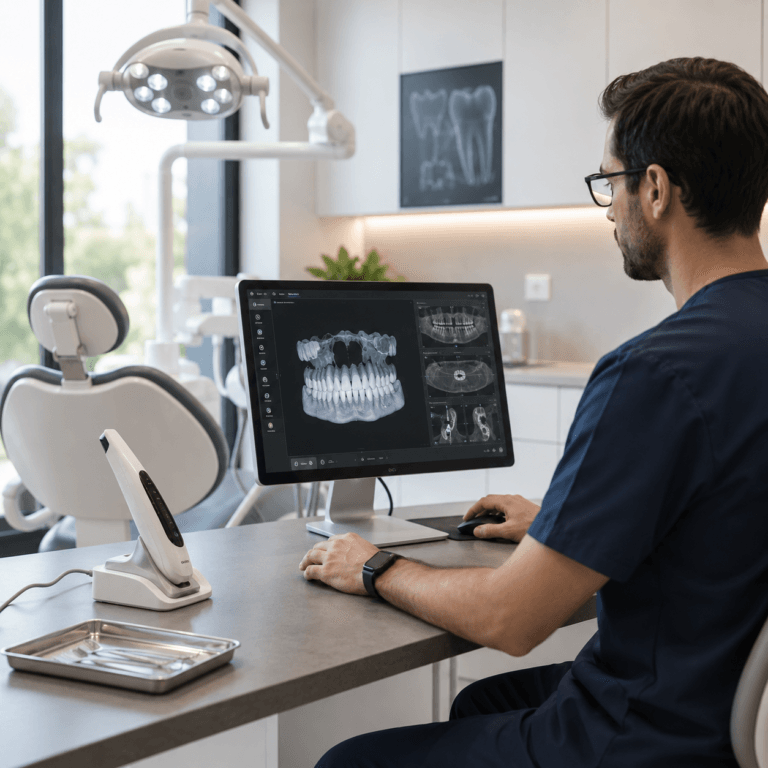
AI, Ethics & the Future of Oral Healthcare
Artificial intelligence is expected to play an increasingly important role in diagnostics, digital workflows, preventive care, and patient communication in modern dentistry.
As AI technologies continue to evolve, ongoing discussions around ethics, accessibility, responsible implementation, and patient-centered care remain equally important.
Current areas of focus include:
• Responsible and evidence-informed use of AI in dentistry
• Digital education and awareness in healthcare technologies
• Improving accessibility through intelligent healthcare systems
• Supporting clinicians through AI-assisted workflows and diagnostics
Real-world Applications of AI in Dentistry
Early Detection of Oral Cancer
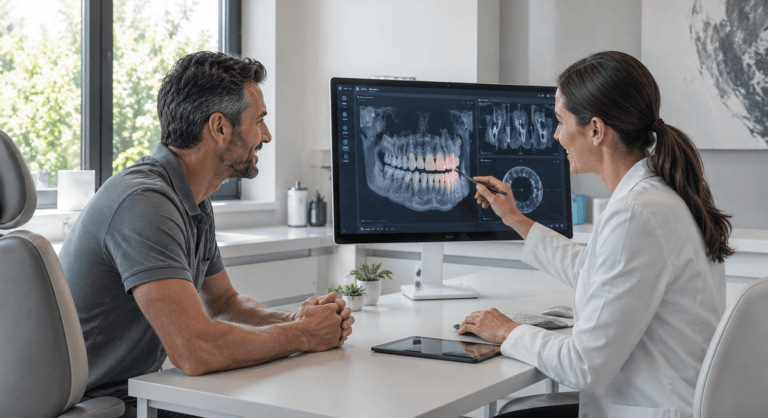
AI tools can detect microscopic signs of oral cancer that the human eye might miss — saving lives through earlier interventions.
Personalized Preventive Plans
Predictive AI models suggest customized oral hygiene plans based on individual risk factors.
Stress-free Dental Visits
AI technologies can streamline workflows, reduce waiting times, and make dental visits more comfortable for patients.
Remote Dental Consultations
Tele-dentistry platforms powered by AI allow accurate diagnosis and consultation even in remote areas.
Future Oral Healthcare Research
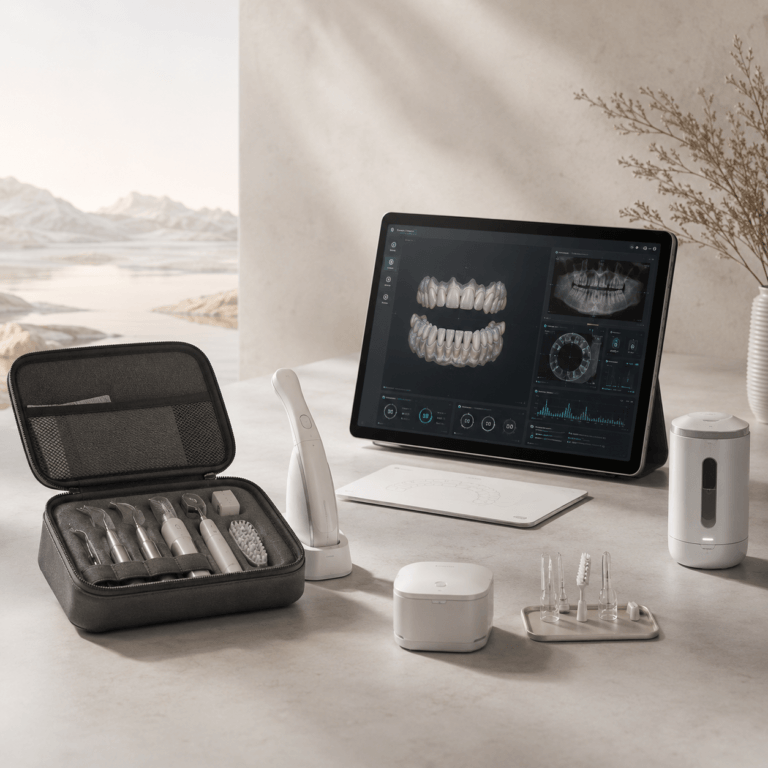
Emerging healthcare technologies may play an important role in supporting oral healthcare during long-duration missions and in remote or extreme environments.
Current areas of interest include:
• AI-assisted remote diagnostics and screening
• Portable digital oral healthcare systems
• Preventive care technologies for confined environments
• Tele-dentistry and autonomous healthcare support systems
As digital healthcare technologies continue to evolve, future applications in remote and extreme environments remain an important area of discussion and research interest.
Ethical and Human-Centered AI
As artificial intelligence becomes increasingly integrated into healthcare, ethical responsibility, patient trust, and human-centered care remain essential in modern dentistry.
Important considerations include:
• Transparency in AI-assisted clinical systems
• Protection of patient privacy and healthcare data
• Responsible and evidence-informed use of AI technologies
• Maintaining empathy, communication, and trust in patient care
Official Address
- Victoria, Mahe Island, Seychelles
- New Delhi, India.
- info@drbibhakarranjan.com
- +49 15560 936114
Copyright 2025 Dr Bibhakar Ranjan – All Rights Reserved